
Roots in Many Soils – Strength in Many Worlds
By Naima – Human beings have always moved – and must be allowed to keep moving. Migration and diaspora communities are not a threat, but an opportunity. In an era of polarization and mistrust, we must uplift those who navigate between worlds and build bridges instead of walls. This is my take on why the diaspora plays – and should play – a vital role in creating a more tolerant, inclusive, and dynamic future.
In a world where war, climate crises and inequality force people to leave their homes, it’s time to stop viewing human movement as the exception – and start seeing it as the rule. Migration is not a failure; it’s a human reality – and a driver of renewal. People have always moved. That’s how civilizations have grown, how ideas have spread, and how societies have evolved. Expecting cultures to remain static is to choke the very lifeblood of humanity.
In this context, the diaspora plays – and should play – an increasingly important role. These are individuals who live between multiple worlds, cultures, and identities. This complexity doesn’t make them a burden – it makes them an asset. They are bridge-builders, translators, and innovators. But only if society allows it.
All too often, however, we see the opposite: diasporas being mistrusted, accused of conflicting loyalties, or reduced to stereotypes. This is a dangerous path. Instead, we must ask: how can we harness the knowledge, perspective, and global networks the diaspora brings?
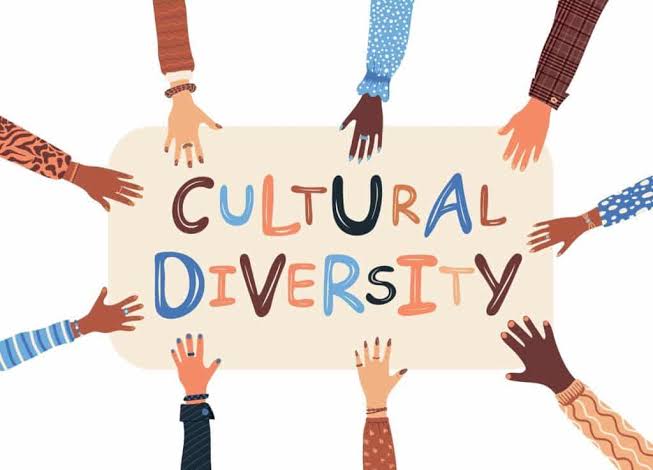
In their daily lives, diaspora communities navigate multiple cultural systems – not just between “home” and “host,” but across global norms, languages, values, and worldviews. They know how to translate between these worlds. In a polarized world, that’s an invaluable skill.
But skill alone is not enough. Space is also needed. Diaspora communities must be given the opportunity to participate – in shaping society, in democracy, in education, and in public discourse. And we must accept that identity is not singular or static – it moves, evolves, and contains multitudes.
If we don’t create that space, we risk silencing the very voices that could unite us. We not only lose potential – we deepen mistrust, division, and conflict.
But when diasporas are allowed to act, contribute, and build – we see something different: new enterprises that connect continents, young people who navigate ideas and languages with ease, grassroots peace efforts that grow from lived experience, and societies that evolve rather than stagnate.
Migration will continue. The question is not if – but how we choose to respond. Let us build societies where movement is embraced, not feared. Because in movement, we all breathe.