
The Importance of Engaging the Diaspora to Shape a Better World

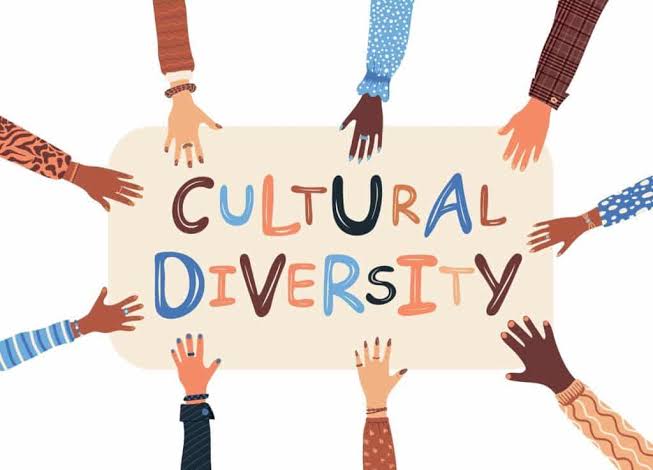
In an increasingly interconnected world, the role of the diaspora in shaping a better global society has never been more significant. Diaspora communities, composed of individuals who have migrated or whose ancestors migrated from their homeland, are uniquely positioned to influence economic, social, and cultural development across borders. Engaging the diaspora effectively can lead to transformative change in various sectors, from economic growth to social cohesion and cultural preservation.
Economic Contributions
One of the most tangible ways the diaspora contributes to their countries of origin and residence is through economic engagement. Remittances sent by diaspora members provide essential financial support to families and communities, often exceeding foreign aid in many developing nations. Beyond remittances, diasporas serve as investors, entrepreneurs, and business leaders who facilitate trade, create jobs, and introduce innovative business practices. Governments and organizations that actively engage their diaspora in economic initiatives can unlock significant
financial and intellectual resources to drive sustainable development.
Knowledge and Skills Transfer
Diaspora communities often acquire valuable skills, education, and expertise in their host countries, which can be leveraged to benefit their homelands. Whether through formal exchange programs, mentorship initiatives, or digital collaboration, engaging the diaspora in knowledge-sharing can bridge gaps in education, technology, and industry. Many professionals in fields such as medicine, engineering, and academia contribute to their home countries by offering training, funding research, or establishing partnerships that promote capacity building.
Cultural and Social Influence
Diasporas play a crucial role in preserving and promoting cultural heritage. Through literature, music, cuisine, and art, they help maintain traditions while also fostering
cross-cultural understanding in their host countries. Engaging the diaspora in cultural initiatives strengthens identity and belonging, both for those abroad and for communities back home. Additionally, diaspora communities often advocate for
social justice, human rights, and policy reforms, leveraging their international networks to drive positive change.
Strengthening Global Networks
The diaspora serves as a bridge between nations, fostering diplomatic ties, facilitating international cooperation, and enhancing mutual understanding. Their unique position enables them to act as mediators in conflict resolution and advocates for inclusive policies that benefit both their home and host countries. Governments and organizations that recognize the strategic value of their diaspora can build strong global networks that foster peace, innovation, and development.
Call to Action
To fully harness the potential of the diaspora, it is essential to create inclusive platforms that facilitate engagement. Governments, businesses, and civil society organizations must develop policies and programs that encourage diaspora participation in economic initiatives, knowledge-sharing, and cultural exchange. Providing opportunities for investment, creating accessible networks for collaboration, and recognizing the diaspora’s contributions can lead to meaningful and lasting impact.
In conclusion, engaging the diaspora is not just an opportunity—it is a necessity for shaping a more inclusive, innovative, and prosperous world. By leveraging the skills, resources, and connections of diaspora communities, we can collectively build a future that transcends borders and fosters global solidarity.