
Coaching and Mentorship as a Holistic Practice

Coaching is more than goals and performance. It is a journey inward, outward, and forward, where psychology, culture, philosophy, medicine, biology, and nature converge to support individual development. When both the individual and society take responsibility, and when we acknowledge the impact of culture, cultural clashes, the sharing of experiences, guidance, and role modeling, mentorship emerges as a process that not only transforms but also grounds.
Psychology and Medicine – understanding the individual
Psychological tools help us understand emotions, motivation, and behavior, while medical perspectives show how the body and brain influence learning and performance. Together, they provide a holistic understanding of the human experience.
Biology and Nature – the physical and ecological framework
Biological factors influence well-being and the capacity to learn. Nature serves as a unifying force reminding us of balance, rhythm, and restoration, elements that culture and society do not always respect.
Culture and Philosophy – meaning and context
Culture shapes values, norms, and communication patterns. Philosophy invites reflection on ethics, responsibility, and meaning. By understanding cultural clashes, mentorship can become a space for greater understanding, creativity, and innovation.
Shared Experiences – bridges between people
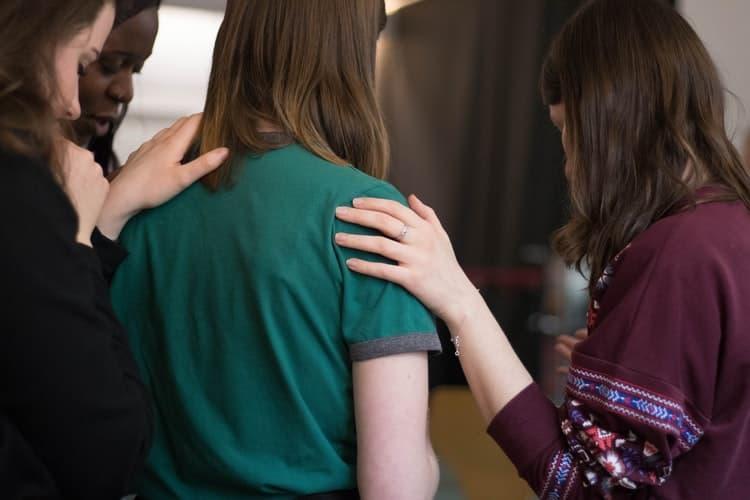
At its core, coaching and mentorship are about sharing experiences. When a mentor shares mistakes, lessons, and victories, personal knowledge transforms into collective wisdom. This fosters belonging and trust. Sharing experiences is not about offering ready-made answers, but about opening doors to reflection and dialogue. In this way, individuals are connected to one another, and the present is linked with both past and future.
Guidance and Role Modeling – showing the way
Beyond the sharing of experiences, guidance and role modeling are central to sustainable mentorship. A mentor is not only a source of knowledge but also a living map, someone who points to possible directions and illustrates alternative paths.
Role modeling often speaks louder through actions than words. When a mentor demonstrates integrity, curiosity, courage, or empathy in practice, it becomes a powerful invitation for others to do the same. Mentorship then becomes not a one-way transmission, but a dynamic exchange in which both mentor and mentee are inspired to grow.
Ethics, Justice, and Structures – the foundation for sustainable interaction
Development always occurs within relationships and structures. Equality, justice, freedom of speech, and civil frameworks create an ethical and structural foundation where coaching and mentorship can thrive:
- Equality ensures balance in relationships.
- Justice provides security and equal opportunities.
- Freedom of speech allows dialogue and creativity.
- Civil frameworks protect interactions from chaos and power abuse.
When these dimensions work together, coaching and mentorship become more than tools for change, they become paths to grounding, meaning, and sustainable growth for both the individual and society.
By: Naima