
Hygiene as Duty and Investment: A Strategic Opportunity for Morocco Ahead of 2030
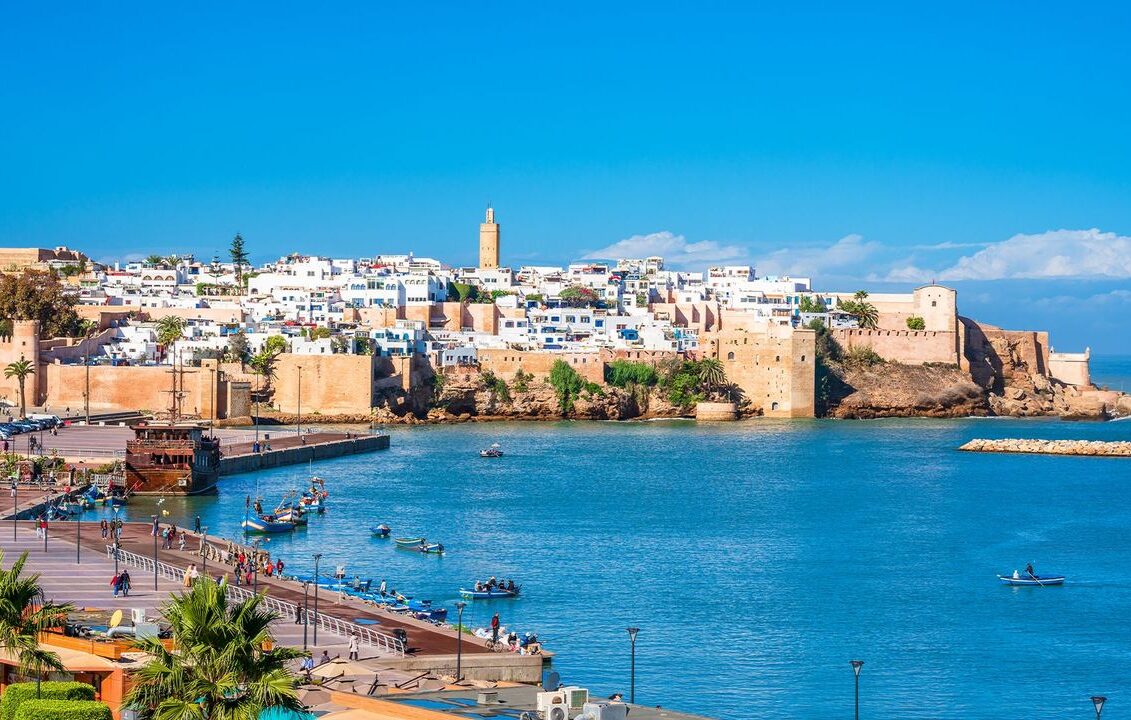
Imagine a warm evening in Casablanca. The streets pulse with life, anticipation, and pride as the FIFA World Cup 2030 approaches. The world is coming – cameras, investors, millions of visitors.
But what will they see first?
Morocco is investing billions in stadiums and infrastructure. Yet the most decisive investment remains almost invisible- and too often overlooked: hygiene.
In Japan, students clean their own classrooms. In Singapore, cleanliness is upheld through clear rules and shared responsibility. This is not about perfection- it is about systems, culture, and consistency.
As the FIFA World Cup 2030 approaches, Morocco faces a fundamental question:
What standard do we want to represent to the world- and what responsibility are we ready to carry, together?
A measurable challenge
Across different regions, issues persist: inconsistent waste management, uneven access to clean water, and gaps in public hygiene.
These challenges carry real human and economic costs. According to the World Health Organization, around 829,000 deaths annually are linked to diarrheal diseases caused by unsafe water, poor sanitation, and inadequate hygiene. Additionally, up to 50% of child malnutrition is associated with repeated infections linked to unhealthy environments.
Economic and healthcare impact
Poor hygiene is not only a health issue – it is a development barrier.
In many low- and middle-income countries, inadequate sanitation can cost up to 6% of GDP, due to healthcare expenses, lost productivity, and absenteeism.
In practice, this translates into:
- Lost working days
- Reduced household income
- Increased pressure on healthcare systems
Prevention is not only more humane—it is significantly more cost-effective.
Global exposure and tourism impact
As the FIFA World Cup 2030 approaches, global visibility intensifies.
According to the World Bank, perceptions of cleanliness and public health safety directly influence tourism flows.
Environments perceived as unhygienic risk:
- Declining visitor numbers
- Revenue losses
- Long-term reputational damage
A strategic lever for transformation
Investing in hygiene enables:
- Stronger public health outcomes
- Enhanced global attractiveness
- More resilient economic growth
- Improved urban environments
Hygiene becomes a multiplier – not a cost.
Concrete and scalable solutions
Education
Embed hygiene into school systems through practical learning.
Competitions & incentives
- Cleanest city
- Cleanest school
- Model neighborhood
Business engagement
- Hygiene certifications
- Public rating systems
- Public-private partnerships
Infrastructure
- Modern waste management
- Access to clean water
- Clear regulation and enforcement
A collective duty
Hygiene is not merely personal.
It is a shared responsibility shaping health, economy, and national identity.
A heritage to reclaim
In the Muslim world, cleanliness has always been central.
Practices such as wudu and ghusl reflect a deep ethical and cultural foundation.
A Final call
As FIFA World Cup 2030 approaches, this is not just about readiness.
It is about choice.
- Hygiene is not a luxury.
- It is not a detail.
- It is a duty.
- It is a strategy.
- And it is an investment in our shared future.
Historical Note: Hygiene in Islamic Medicine
In classical Islamic civilization, hygiene was not separate from medicine – it was a foundation of it.
Physicians such as Ibn Sina and Al-Razi emphasized cleanliness, water quality, quarantine principles, and environmental sanitation centuries before modern public health systems emerged.
Hospitals in medieval Islamic cities were among the first to implement:
- patient isolation for infectious diseases
- systematic cleanliness routines
- clean water supply systems
- structured medical wards with hygiene protocols
This reflects a long-standing principle: health begins with cleanliness – of the body, the environment, and society.
Article by: Naima