
A Good Fellow Human Being – What truly defines one?

In a world defined by rapid change, polarization, and an overwhelming flow of information, our moral compass is tested more than ever. What truly defines a good fellow human being today? The answer is not a single factor such as education or upbringing, but a dynamic combination of inner qualities and lifelong development.
The Core: Empathy, Insight, and the Courage to Act
Being a good person in today’s complex society requires more than passive kindness. It demands an active ability to engage with others’ suffering, one’s own shortcomings, and the challenges facing society at large.
1. Empathy and Respect
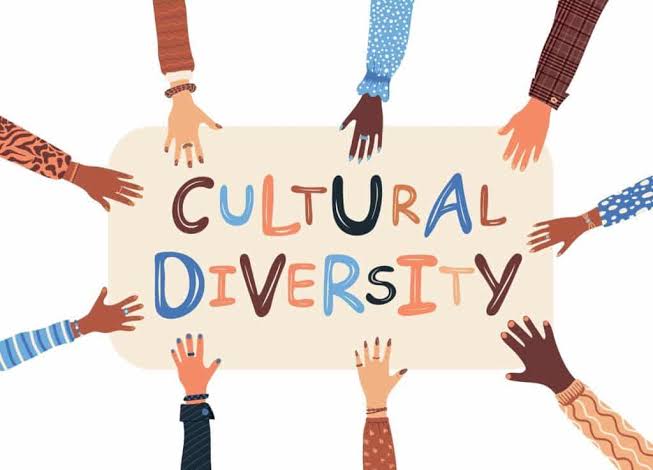
The most essential foundation is empathy, the ability not only to understand but to genuinely feel with other people, regardless of their background or beliefs. In a polarized world, a good fellow human being strives to see others as subjects with inherent value and rights, not as objects to judge or categorize. This ability is the source of true respect for the equal worth of all individuals.
2. Critical Thinking and Self-Insight
In an age of information overload and constant digital streams, critical thinking becomes indispensable. A good person is able to analyze situations, consider consequences, and understand context.
Equally important is self-insight, the awareness of one’s own limitations, faults, and blind spots. An ethical person is not perfect, but acknowledges the possibility of being wrong and remains open to correction. The ability to refrain from judging others often comes from a genuine attempt to view situations from perspectives other than one’s own.
3. Courage and Responsibility
Goodness cannot remain merely an intention; it must be enacted. A good fellow human being shows courage by speaking up against injustice and stepping in when help is needed. This also involves taking responsibility for one’s own life and surroundings, being honest, reliable, and contributing to society with whatever resources and competencies one possesses.
Formative Factors: Interlocking Building Blocks
Traditional shaping forces – upbringing, cultivation, education, and culture, are not alternative paths to goodness, but complementary building blocks that together form a mature and ethically aware individual.
| Factor | Contribution to Humanity |
|---|---|
| Upbringing & Environment | Establishes the foundation for ethics, morality, and social interaction. Here we develop basic trust and respect for social norms. |
| Cultivation / Bildung | Provides the ability to navigate complex contexts. This lifelong process broadens insight, fosters tolerance, and enables a conscious, non-judgmental approach to the world. |
| Education | Offers tools and reasoning skills needed to analyze and resolve ethical problems. Understanding society is essential for recognizing one’s own role and acting meaningfully. |
| Culture | Creates shared norms and frameworks for what is considered ethical behavior. It can foster community but must also be continually questioned. |
An Ethical Reflection
To highlight the importance of both rationality and emotion in ethical decision-making, the following quote captures the “tools” available to us:
As Aristotle notes in Nicomachean Ethics, the essence of moral action lies in choosing the right deed, at the right time, for the right reasons.
Ultimately, a good fellow human being in today’s turbulent world is someone who combines a strong moral compass with a developed capacity for understanding and analysis, an individual who acts with both heart and mind, and who sees it as their responsibility to contribute to a more just and compassionate society.
Naimaste!